Sustainable Water Treatment Solutions for a Greener Future
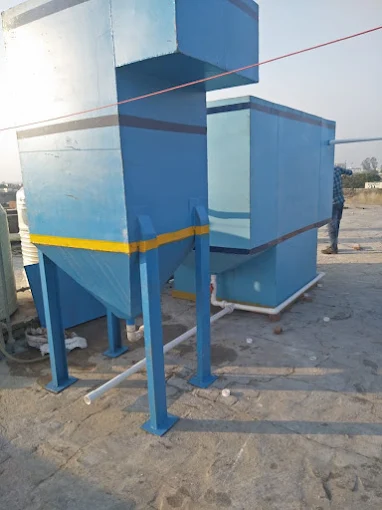
Water scarcity and environmental pollution are becoming major global concerns, making efficient water management more important than ever. Sustainable water treatment solutions help industries conserve resources, reduce pollution, and comply with environmental regulations while supporting long-term growth. At RK Engineers Group, we are committed to delivering innovative water treatment and environmental solutions that contribute to a cleaner and more sustainable future. Our expertise includes Water Treatment Plants (WTP), Sewage Treatment Plants (STP), Effluent Treatment Plants (ETP), Reverse Osmosis Systems, Zero Liquid Discharge (ZLD) Plants, and wastewater recycling solutions. Sustainable water treatment focuses on reducing water consumption and maximizing water reuse. Technologies such as membrane filtration, biological treatment, ultrafiltration, and reverse osmosis enable industries to recover and recycle water efficiently. These systems not only lower operating costs but also minimize environmental impact. Industries across sectors face increasing pressure to meet strict environmental standards. Implementing advanced treatment systems helps businesses maintain compliance while improving their corporate image and demonstrating commitment to sustainability. Zero Liquid Discharge (ZLD) systems are particularly beneficial, as they recover nearly all wastewater and eliminate liquid discharge. Combined with automation and energy-efficient technologies, these systems offer exceptional performance and long-term savings. Regular maintenance and monitoring are equally important to ensure optimal system efficiency. RK Engineers Group provides complete turnkey solutions, including design, manufacturing, installation, commissioning, operation, and annual maintenance services. The future of water management lies in sustainable practices and innovative technologies. By adopting advanced treatment solutions, industries can protect valuable water resources, reduce environmental impact, and contribute to a greener tomorrow.
Why Reverse Osmosis (RO) Plants Are Essential for Modern Industries
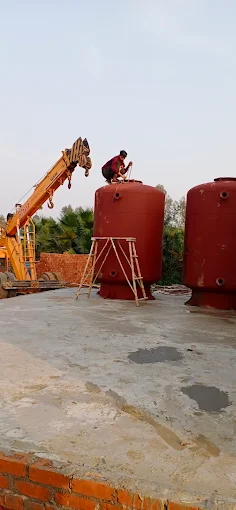
Water quality directly affects industrial productivity, equipment performance, and product quality. With increasing concerns about water scarcity and contamination, industries are adopting advanced water purification technologies. Reverse Osmosis (RO) plants have emerged as one of the most effective solutions for producing high-quality purified water. At RK Engineers Group, we specialize in designing and delivering customized RO plants for industrial, commercial, and institutional applications. Reverse osmosis is a membrane-based process that removes dissolved salts, impurities, bacteria, and harmful contaminants by forcing water through semi-permeable membranes under pressure. RO systems are widely used in pharmaceuticals, food and beverage processing, power plants, hospitals, textile industries, and manufacturing facilities. They ensure a consistent supply of clean water while protecting machinery from scaling and corrosion. The RO process involves pre-treatment, membrane filtration, and post-treatment. Pre-treatment removes suspended solids and chlorine to protect the membrane. The membrane stage separates dissolved contaminants from water, while post-treatment improves water quality according to application requirements. Modern RO systems offer numerous advantages, including reduced water consumption, lower maintenance costs, improved product quality, and environmental sustainability. Combined with wastewater recycling systems, RO plants help industries maximize water reuse and minimize waste generation. Choosing the right RO plant depends on factors such as feed water quality, daily water demand, recovery rate, and application requirements. RK Engineers Group provides end-to-end support, from system design and installation to operation and maintenance services. As industries move toward sustainable operations, RO technology continues to play a vital role in ensuring water purity, efficiency, and long-term cost savings.
The Importance of Effluent Treatment Plants (ETP) in Industrial Wastewater Management
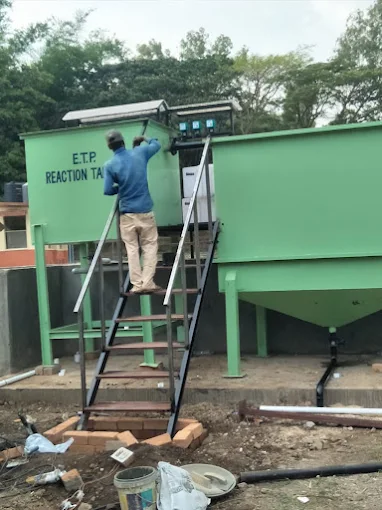
Water is one of the most valuable resources for industries, but industrial processes generate wastewater containing harmful chemicals, oils, suspended solids, and organic pollutants. Without proper treatment, these contaminants can damage ecosystems, affect public health, and violate environmental regulations. This is where Effluent Treatment Plants (ETPs) play a crucial role. At RK Engineers Group, we understand the importance of sustainable wastewater management and provide customized ETP solutions designed to meet the requirements of different industries. An ETP is a specialized system that treats industrial wastewater through physical, chemical, and biological processes, ensuring that the treated water meets discharge standards or can be safely reused. The treatment process begins with pre-treatment, where large particles and oils are removed through screening and separation techniques. During primary treatment, solids settle, and floating impurities are skimmed off. Chemical treatment follows, involving coagulation, flocculation, and pH correction to remove dissolved contaminants. Biological treatment utilizes microorganisms to break down organic matter, significantly reducing BOD and COD levels. Finally, tertiary treatment and disinfection ensure high-quality treated water. Industries such as pharmaceuticals, textiles, food processing, chemicals, paper mills, and manufacturing rely on ETP systems to comply with environmental regulations and reduce their environmental footprint. Implementing an ETP offers several benefits, including pollution control, water recycling, reduced operating costs, regulatory compliance, and improved corporate sustainability. Advanced technologies such as membrane filtration and zero liquid discharge systems further enhance water recovery and conservation. RK Engineers Group provides complete ETP solutions, including design, manufacturing, installation, commissioning, and maintenance. Our expert team ensures reliable performance and long-term efficiency for every project. By investing in an efficient ETP system, industries can contribute to environmental protection while improving operational efficiency and achieving sustainable growth.